
Last updated November 15, 2026
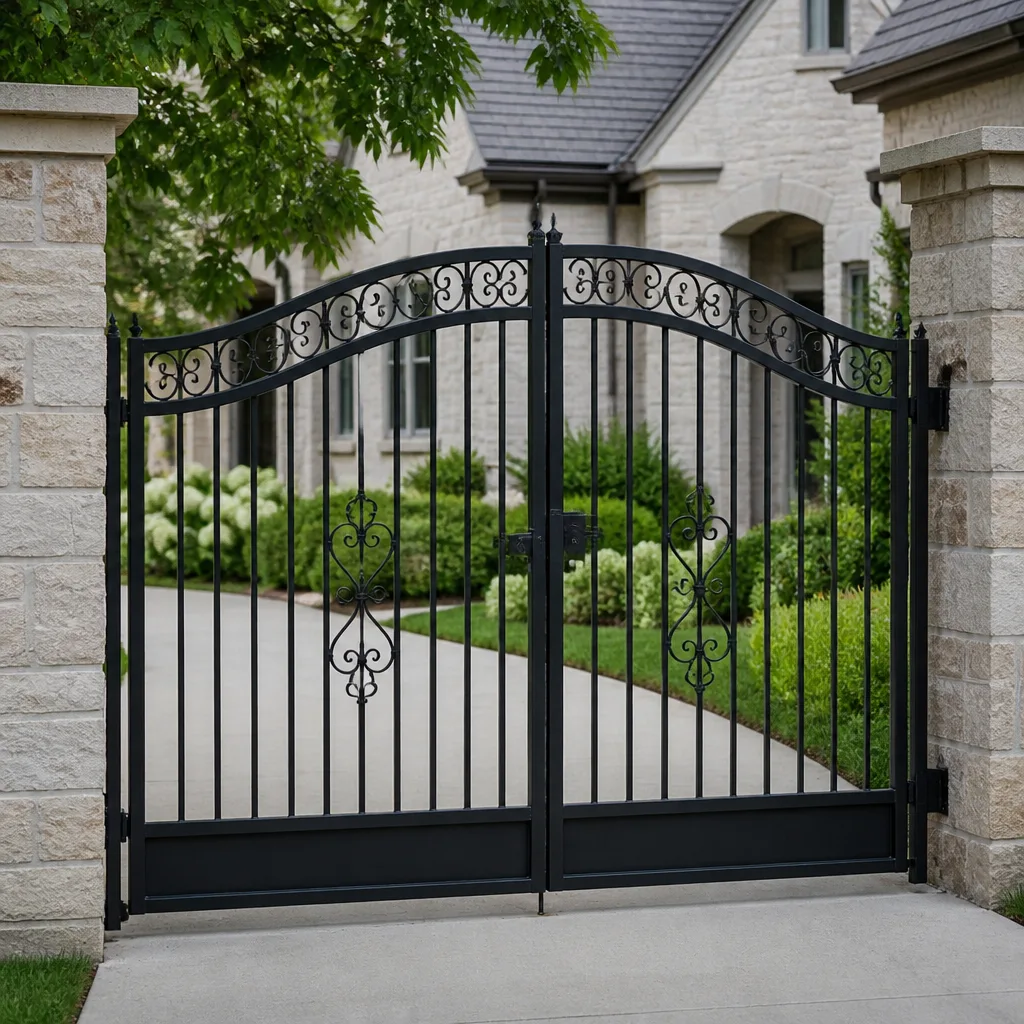 Wrought iron
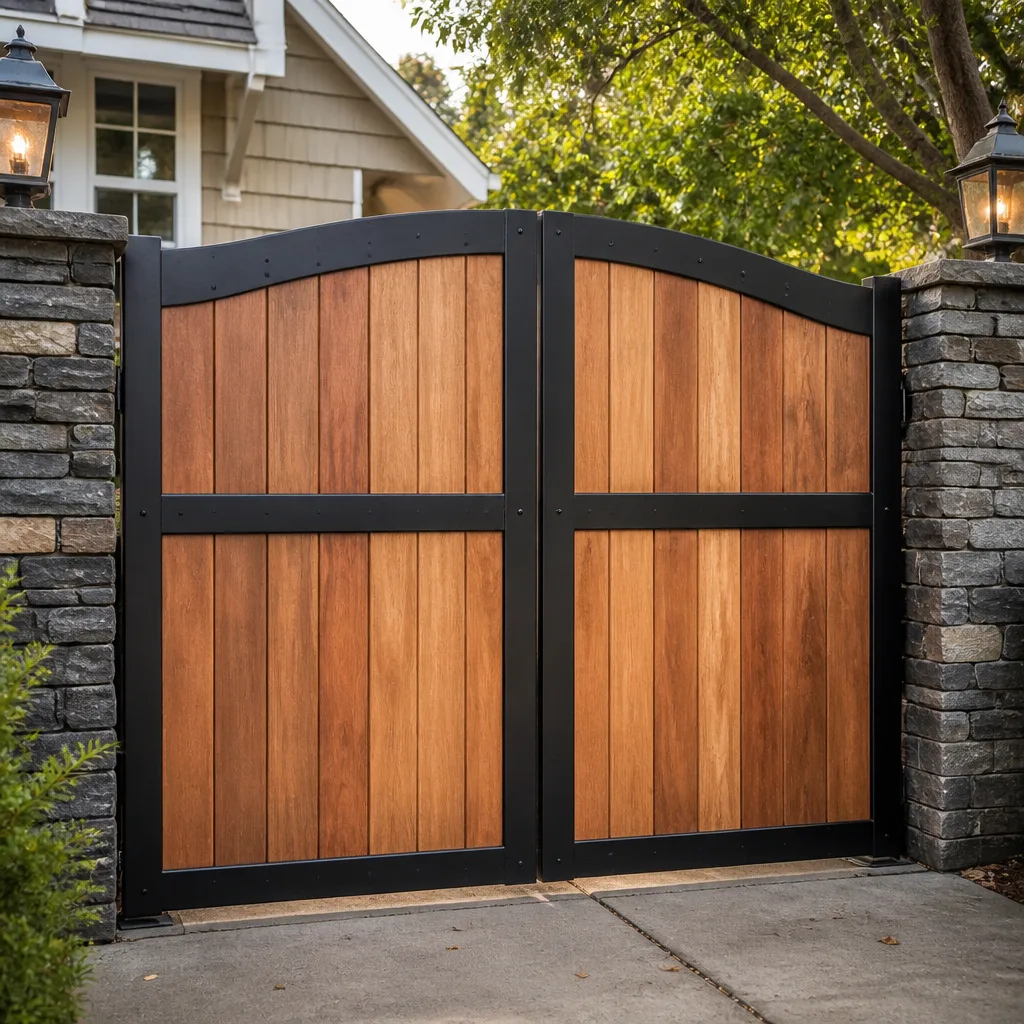 Wood & steel frame
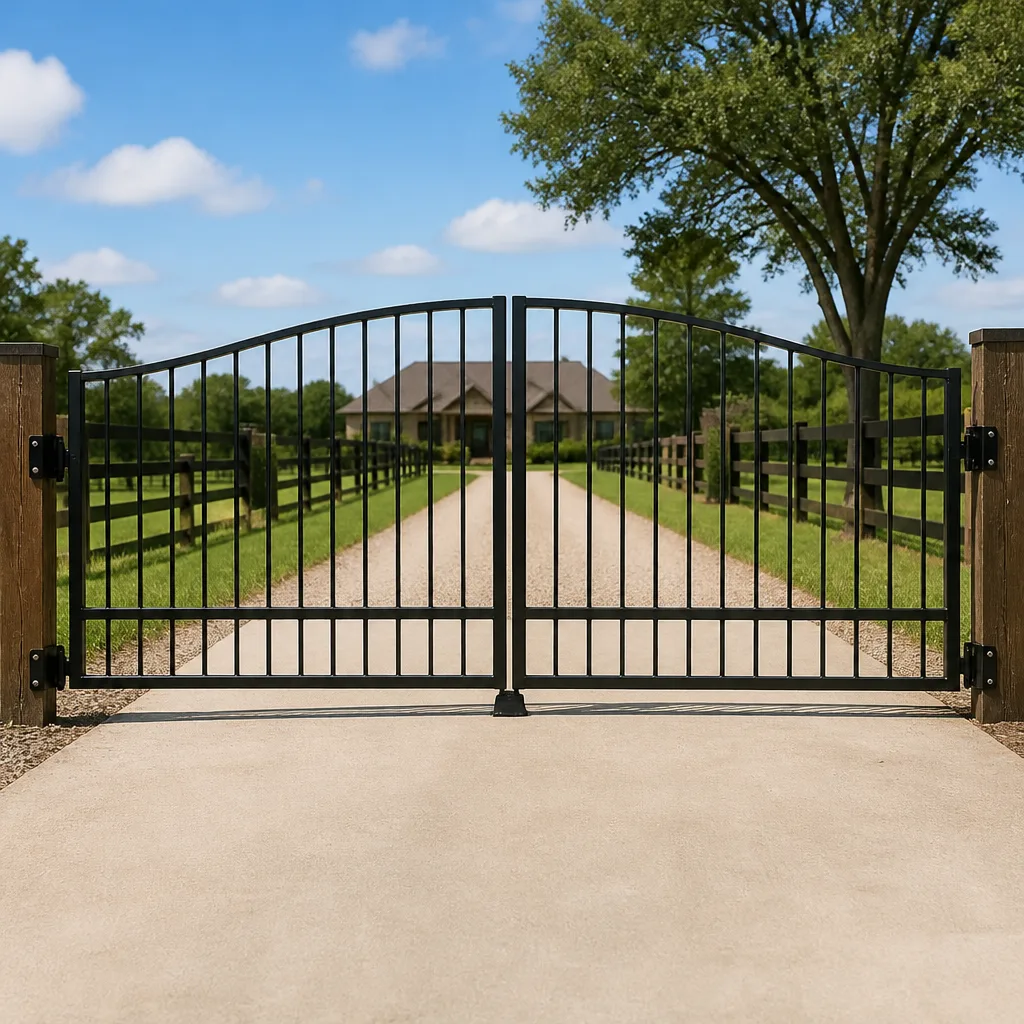 Farm & ranch
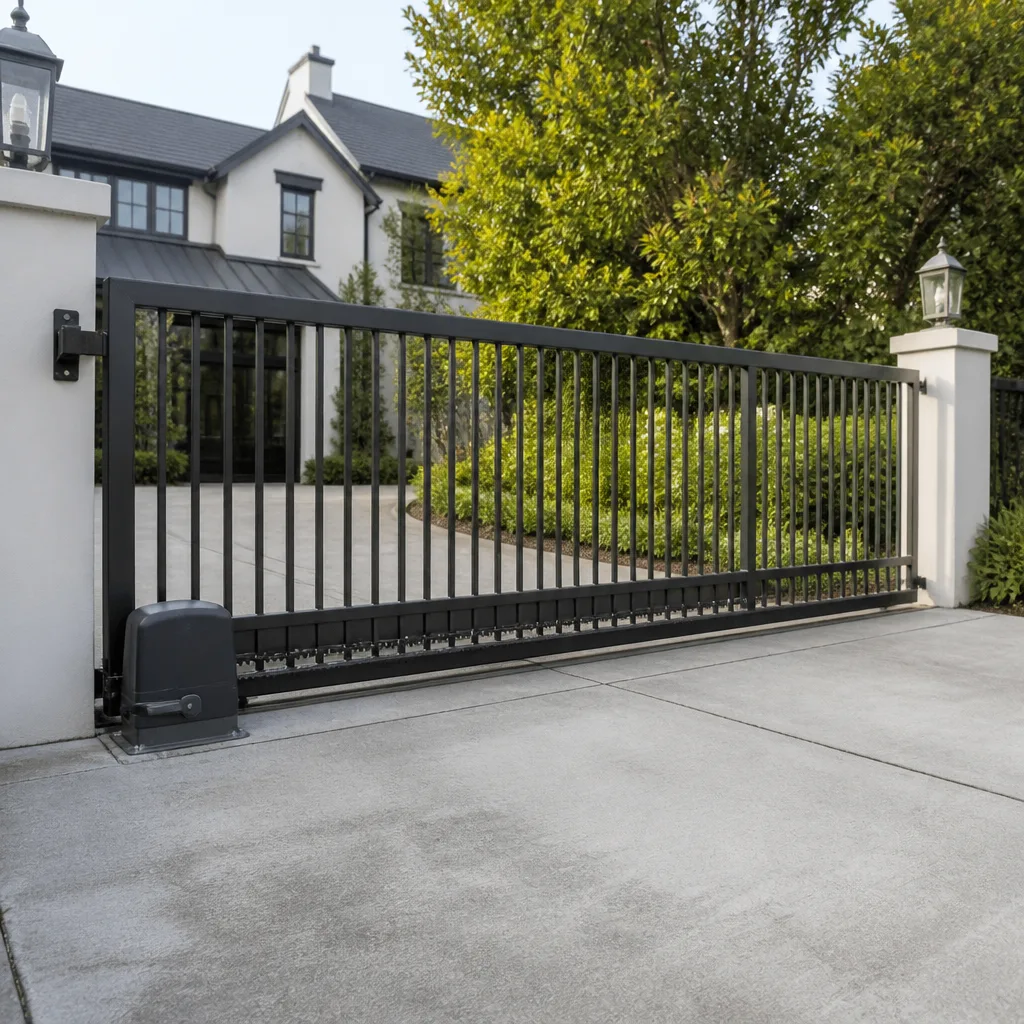 Sliding driveway gates
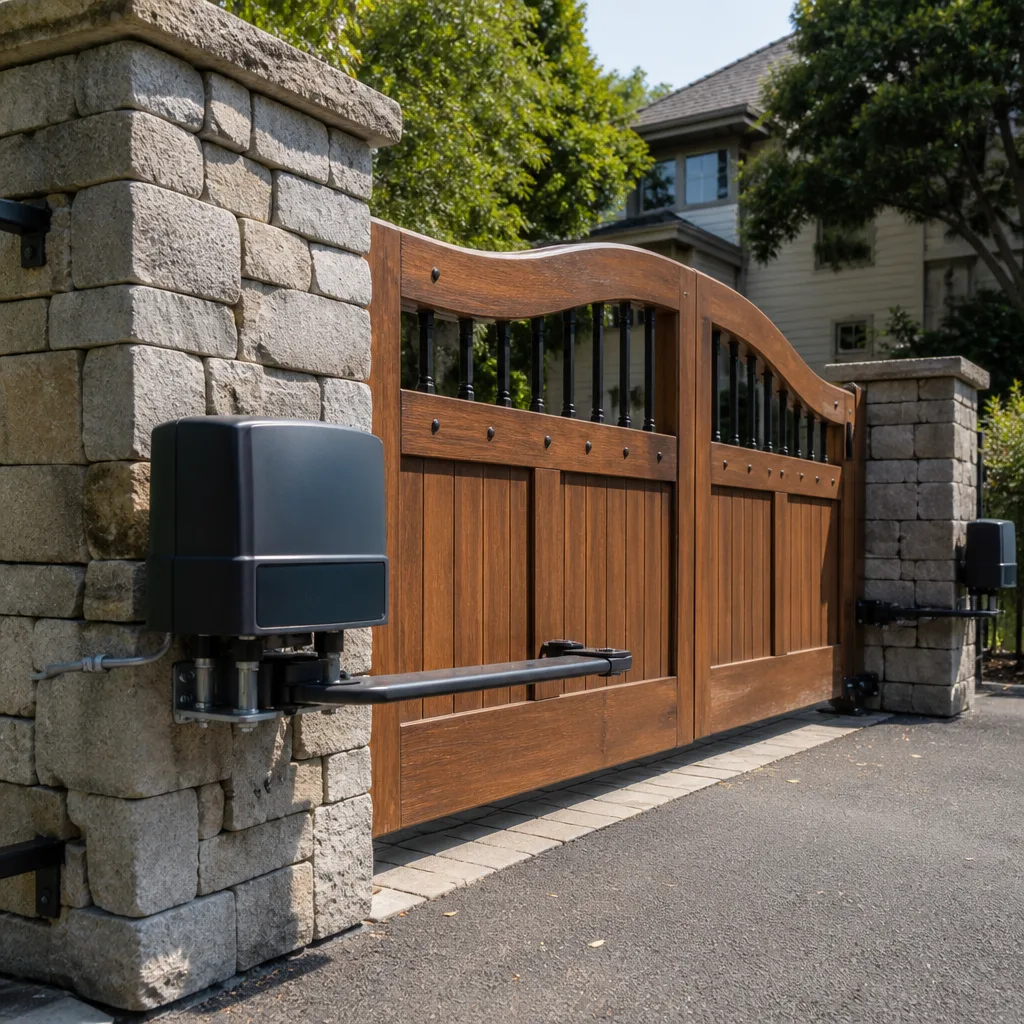 LiftMaster operators
Free on-site gate assessment - hinges, posts, and your LiftMaster or Nice gate operator checked before anything is quoted
The assessment is free and the quote is the invoice.
Get your free estimateGate Repair Permits, Codes & Inspections in New Braunfels, TX: What You Need to Know
Installing a new gate operator on an existing structure sounds like a repair. The City of New Braunfels may classify it as new construction. That gap between how a project feels and how a permit office reads it is where most homeowners get surprised, usually years later when a buyer’s inspector or a title company starts asking for paperwork nobody kept. Most gate work in New Braunfels needs no permit at all. The exceptions are narrow but specific, and they line up almost exactly with the projects people assume are routine upgrades. This guide draws the line clearly: what triggers a permit, what doesn’t, how inspections actually run, and how to protect yourself if work was already done without one.
Quick Answer
In New Braunfels, routine gate repair and like-for-like part replacement generally don’t require a permit, but new gate operator installation, structural post replacement, and electrifying a manual gate can cross into permit-required territory depending on scope and how your property is zoned. HOA rules in many New Braunfels-area communities add requirements on top of city code, and permitted work adds inspection steps that lengthen a project timeline. When in doubt, a quick call to the City of New Braunfels building department settles it before anyone digs a footing.
Styles & brands we work with
- Wrought iron
- Wood & steel frame
- Farm & ranch
- Sliding driveway gates
- LiftMaster operators
Table of Contents
- What Triggers a Permit in New Braunfels
- Repair vs. New Construction: Drawing the Line
- How HOA Gate Rules Stack on Top of City Code
- What the Inspection Process Looks Like
- Liability of Unpermitted Gate Work at Resale
- Who Pulls the Permit: You or the Contractor?
- The Electrical Side: Operators, Wiring, and Safety Devices
- How New Braunfels Conditions Affect Gates and Inspections
- Common Mistakes to Avoid
- When to Call a Professional
- Frequently Asked Questions
What Triggers a Permit in New Braunfels
The core question isn’t “is this a gate?” It’s “does this change the structure or the electrical system?” That framing gets you most of the way to an answer before you ever pick up the phone. Here’s how the common project types sort out.
Projects that typically require a permit:
- Installing a new automated gate operator on a gate or structure that didn’t previously have one
- Replacing structural posts or footings, especially where the gate spans a driveway or property line
- Electrifying a manual gate for the first time, since this introduces new electrical work
- Adding or relocating a power run to feed an operator
- Any structural change to the gate’s frame, height, or span
Projects that usually don’t require a permit:
- Replacing a motor, control board, or sensor on an existing permitted operator
- Repairing hinges, rollers, latches, or track hardware
- Straightening or adjusting a gate that’s sagging or off its track
- Swapping a remote, keypad, or safety edge on an existing system
- Replacing a battery backup on a solar or low-voltage operator
The tricky middle ground is a new operator bolted onto a gate that already exists. That feels like a mechanical repair. From the city’s perspective it can read as new construction, because you’re adding a powered, motorized element that wasn’t there before. Whether it lands on the permit side depends on how the project is described on the application, whether the structure is existing or new, and the zoning of the property. We’ve seen this exact scenario trip up homeowners in established New Braunfels neighborhoods who assumed a bolt-on operator was a repair.
Electrical work almost always pulls a permit with it. If an operator needs a dedicated circuit run from a panel to the gate, that run is electrical work, and electrical work has its own permit rules separate from the gate itself. A licensed electrician handles that side. We handle the mechanical and control side, and we can work with your electrician so nobody’s waiting on anybody.
Repair vs. New Construction: Drawing the Line
This is the distinction that causes the most confusion, so let’s make it concrete.
A repair restores something to the way it already was. The gate existed, the operator existed, the wiring existed, and one or more components failed. You’re replacing parts. A motor burnout on a Viking slide operator, a dead control board on a Linear swing gate, a sensor that’s stopped detecting obstacles – these are repairs. No permit, no inspection, no paperwork at resale.
New construction adds something that wasn’t there before, or meaningfully changes the structure. A gate operator on a previously manual gate. New posts. A wider opening. A brand-new gate where none stood. These are the projects that get pulled into the permit process.
The owner’s mental model and the city’s classification don’t always match. A homeowner thinks “I’m upgrading my gate.” The city sees “an automated vehicular access system is being installed where none existed.” The safe move is to describe the project exactly as it is when you call the building department, not as how it feels. “I want to automate a manual gate” gets a different answer than “I want to repair my gate operator.”
If the structure is genuinely existing and the operator is a straightforward swap or replacement of an already-permitted system, you’re usually in repair territory. If the gate itself is new, or the operator is the first one on that structure, treat it as new work and ask the city before you buy hardware.
How HOA Gate Rules Stack on Top of City Code
City code is the floor, not the ceiling. Many planned communities around New Braunfels – particularly in the newer subdivisions and gated neighborhoods – layer their own architectural and access-control rules on top of whatever the city requires. Those rules can be stricter, and they can require things the city never asks about.
What HOA gate rules commonly cover:
- Approved operator brands and visual styles for community-facing gates
- Setback and clearance requirements from property lines and easements
- Color, finish, and design standards for the gate and any access pedestals
- Required keypad, call box, or intercom equipment for shared access
- Maintenance obligations and who pays for what on a shared gate
- Approval workflow before any work begins, including a written application
For HOA managers and boards, the sequencing matters. HOA approval usually comes first, city permit second. A project that clears the city and skips the HOA can still get flagged by an architectural review committee after the fact, which is a much more expensive fix than getting sign-off upfront. If you’re managing a shared access gate for a community, keep the original operator documentation, wiring diagrams, and any inspection records together – future boards will thank you, and it makes future repair work faster.
Whether you’re automating a private driveway gate for a single home in New Braunfels or servicing a shared community gate, the same principle applies: find out who has authority over the gate before you touch it.
What the Inspection Process Looks Like
Permitted gate work isn’t complicated to inspect, but it does add steps and time. Here’s the general shape of it.
- Permit application. You or the contractor submits a permit application to the City of New Braunfels building department, describing the scope: new operator, structural change, or electrical work. Drawings, site plans, and equipment specs are often requested.
- Plan review. The city reviews the application. This step alone can add days to a couple of weeks depending on workload and how complete the submission is.
- Permit issuance. Once approved, the permit is issued. Work can begin.
- Rough-in inspection (when electrical is involved). If new wiring or a power run is part of the job, an inspection happens before everything is closed up, so the inspector can see the conduit and connections.
- Final inspection. After the gate and operator are installed and functional, the inspector verifies the work matches the approved scope, that safety devices are present and working, and that the installation is sound.
- Closeout. The permit is closed and the inspection record is filed. Keep that record – you’ll want it at resale.
Realistically, plan a couple of weeks into the schedule for the permit and inspection cycle, and add time if the application comes back with questions. That’s the main tradeoff. A permitted project takes longer but leaves a paper trail. An unpermitted project finishes faster and leaves a question mark for whoever buys the property next. In our experience, most of the delay comes from incomplete paperwork, not from the inspection itself – the inspection is usually a short visit once the work is right.
Liability of Unpermitted Gate Work at Resale
This is where the stakes of the permit question really show up, and it’s the part most homeowners never think about until they’re selling.
When a home in New Braunfels goes on the market, the buyer’s inspector walks the property. A powered gate that wasn’t there in older listing photos, or a new operator on a gate that was manual, invites questions. If the seller can’t produce a permit or inspection record, the buyer’s agent may request one, the title company may flag it, and the deal can stall or require a retroactive permit and inspection. Retroactive permits are possible but involve extra cost, extra time, and a chance that the work as installed doesn’t meet current standards – which means rework.
The specific exposure points:
- Disclosure: Most sellers are required to disclose known unpermitted work. An honest answer protects you; silence gets discovered anyway.
- Buyer’s inspection: A functioning gate usually passes on function, but the inspector will note the absence of documentation.
- Title and lender review: If a refinance appraisal flags a structure that doesn’t match records, the lender may require documentation before closing.
- Insurance: If an unpermitted electrical installation is later tied to a claim, coverage questions can arise.
The fix is simple and cheap compared to the downside: pull the permit when the work requires one, keep the paperwork, and hand it to your buyer. If you’ve inherited unpermitted work from a previous owner, get it documented now rather than during the sale. This is exactly the kind of thing we help property owners sort through – see our gate repair page for how repair work is scoped and quoted.
Who Pulls the Permit: You or the Contractor?
The short answer: whoever is doing the licensed portion of the work is generally the one expected to pull the permit. For electrical work, that’s the licensed electrician. For the structural and mechanical gate work, it depends on how the contractor is licensed and how the city classifies the scope.
When a homeowner can pull it themselves:
- Straightforward owner-builder projects where no licensed trade work is involved
- Projects where the city allows an owner-builder exception for a primary residence
- When you want to control the permit timeline and coordinate multiple trades
When the contractor should pull it:
- Any electrical work – licensed electricians typically pull their own permits
- Structural work where the contractor is licensed for the scope
- Commercial or HOA-scale projects where documentation standards are higher
- Any job where the contractor’s insurance and license are part of the paper trail you want on record
The practical advice: ask the contractor upfront, in writing, who is pulling the permit and whether the cost is included in the estimate. A contractor who hesitates on this question is worth a second thought. We’re a gate specialist, not a general contractor, and we’re clear about which parts of a job we handle directly and which parts a licensed electrician takes on. If the gate’s power run needs a permit, the electrician pulls it and we coordinate around the inspection schedule.
The Electrical Side: Operators, Wiring, and Safety Devices
Automated gates are electrical systems. That’s the part that gets underestimated. A swing or slide operator is powered, typically low-voltage at the control level but still tied into a power source, and it includes safety devices that exist to prevent injuries. When we’re called out on an electric gate repair, one of the first things we check is whether the safety devices are present and functioning – photo eyes, safety edges, reversing sensors – because a gate that moves without them is a hazard regardless of how well the motor runs.
Safety devices are also inspection items. If a gate was installed with a permit and inspected, the inspector will have verified those devices work. A gate that was installed without a permit may have none at all, or may have them disconnected because they were causing nuisance trips. A homeowner may not realize the gate has been operating for years without working safety sensors.
What we recommend every owner check:
- Whether safety photo eyes or edges are mounted and wired, not just present in a box
- Whether the gate reverses or stops when something blocks its path
- Whether the operator’s manual release works, so the gate can be moved by hand in an emergency
- Whether the control panel and any exposed wiring is sealed against weather and insect intrusion
We work across nine major gate brands – LiftMaster, FAAC, BFT, Linear, Viking, Ghost Controls, DoorKing, Elite, and Mighty Mule – from entry-level residential systems like Ghost Controls up to commercial-grade operators like FAAC and DoorKing. That range matters for the permit question because a brand-agnostic technician can tell you whether your specific operator is repairable in place or is genuinely at end of life. The honest repair-vs-replace call is the one we’re after, not the sale.
How New Braunfels Conditions Affect Gates and Inspections
Central Texas weather shapes how gates age and what inspectors look for. The combination of hot summers, heavy spring and fall rain, and mild winters puts stress on gates in specific ways. Wood and metal both expand and contract across the temperature swings, which loosens hinge hardware over time. Heavy rain events push water into low spots around posts and footings, so drainage is something an inspector will note on a permitted install. Sun exposure breaks down rubber seals, weatherstripping, and plastic components on control panels faster than in cooler climates.
What this means for gate work in New Braunfels:
- Post footings need to account for soil movement during wet and dry cycles – a common inspection point on new installs
- Control boxes should be mounted with sun and rain shielding in mind
- Safety sensors need to be positioned so standing water and debris don’t block them
- Hinge and hardware checks are worth doing before the summer heat peaks
- Winters are mild enough that freeze damage isn’t a major concern, so inspection focus stays on drainage, structure, and electrical safety
If your property is in a New Braunfels area with significant tree cover or runoff, drainage around the gate posts is worth a closer look. Standing water at a footing is a slow problem that shows up as lean and misalignment months later.
Common Mistakes to Avoid
- Assuming a new operator is a repair. Bolting an operator onto a manual gate can be classified as new construction. Ask the city before you buy hardware, not after.
- Skipping the HOA approval. Many New Braunfels-area communities require written architectural review before any visible change to a gate. Getting city sign-off and skipping the HOA still creates a problem.
- Not keeping the inspection record. The permit isn’t the point – the closed inspection is. If you can’t produce it at resale, you’re back to explaining the work to a buyer’s inspector.
- Letting a repair scope quietly expand into unpermitted new work. A repair that turns into a structural rebuild needs a permit, and the moment it does, the paperwork should follow.
- Hiring a general contractor for gate work. Gate systems are a narrow specialty. A generalist may get the mechanical side right and miss the electrical, safety device, or brand-specific control details.
- Pulling the permit yourself when the work includes electrical. Licensed trade work needs a licensed trade. Let the electrician pull the electrical permit.
- Ignoring safety devices. A gate that moves without working photo eyes or safety edges is a hazard, and a licensed inspector will flag it.
When to Call a Professional
Call a gate specialist when the problem involves the operator, the control board, or the safety devices, because those are the parts where a DIY fix turns into a liability. Call when the gate is off its track, when the motor runs but the gate doesn’t move, when safety devices are missing or disabled, or when you’re deciding between repair and replacement and want an honest answer. Call when you’re planning new work and want to know whether a permit will be required before you sign anything. And call when you’re buying or selling a New Braunfels property with a gate whose history you don’t know – a technician can tell you what’s permitted, what’s safe, and what needs attention. Gate Repair New Braunfels offers free estimates in New Braunfels – call (855) 939-0250.
Frequently Asked Questions
Routine gate repairs in New Braunfels generally don’t require a permit when you’re replacing a part on an existing, already-installed system – a motor, control board, sensor, or hinge. Permits come into play when the work adds something new, like a first-time operator installation or a structural change. When in doubt, call the City of New Braunfels building department and describe the scope honestly. Call (855) 939-0250 if you want a technician to look first and tell you what scope the job actually involves – estimates are free.
It can be, depending on the scope and how the property is zoned. Installing a new automated operator on a gate that previously had none can be classified as new construction because you’re adding a powered system where nothing existed. A straight replacement of an existing permitted operator is usually treated as a repair. The safest path is to describe your project to the city exactly as it stands, then act on their answer. Call (855) 939-0250 if you want help figuring out which category your project falls into – estimates are free.
Permitted gate work typically adds plan review time, a rough-in inspection when electrical is involved, and a final inspection, and in practice this usually means a couple of weeks added to the timeline. Most of the delay comes from incomplete paperwork rather than the inspection itself. Keep the closed inspection record with your property documents – it’s the proof a future buyer or lender will want. Call (855) 939-0250 if you want an estimate on the work before you start the permit process – estimates are free.
Yes, HOA rules in many New Braunfels-area communities can be stricter than city code and can require things the city never asks about – approved operator brands, gate colors, setbacks, and shared access equipment. HOA approval usually comes before the city permit application. If you’re a homeowner or an HOA manager planning gate work, get the architectural review and written HOA approval first. Call (855) 939-0250 to talk through what your HOA’s requirements mean for the hardware you can install – estimates are free.
Unpermitted gate work at resale can stall a sale, trigger a buyer’s inspection request, and require a retroactive permit and inspection before closing. Most sellers are required to disclose known unpermitted work, so an honest answer upfront is usually cheaper than a surprise later. If you’ve inherited unpermitted work, get it documented now rather than during the sale – a technician can assess what’s safe and what needs attention. Call (855) 939-0250 for a free estimate on getting the work documented or reworked.
The licensed trade doing the work is generally the one expected to pull the permit. For electrical work, that’s the licensed electrician. For structural or mechanical gate work, it depends on the contractor’s licensing and how the city classifies the scope. Ask upfront, in writing, who is pulling the permit and whether the cost is included in the estimate. Call (855) 939-0250 and we’ll walk you through which parts of a job we handle and which parts a licensed electrician pulls permits for – estimates are free.
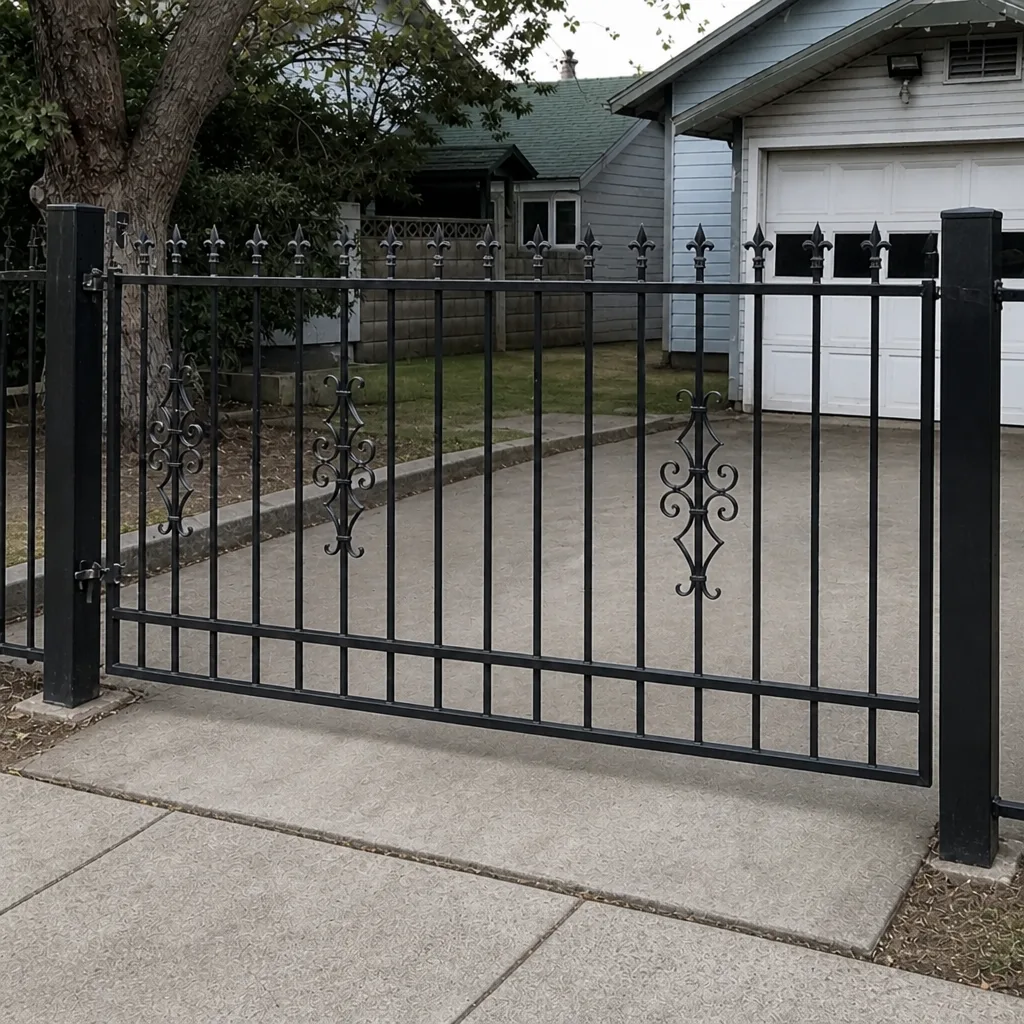
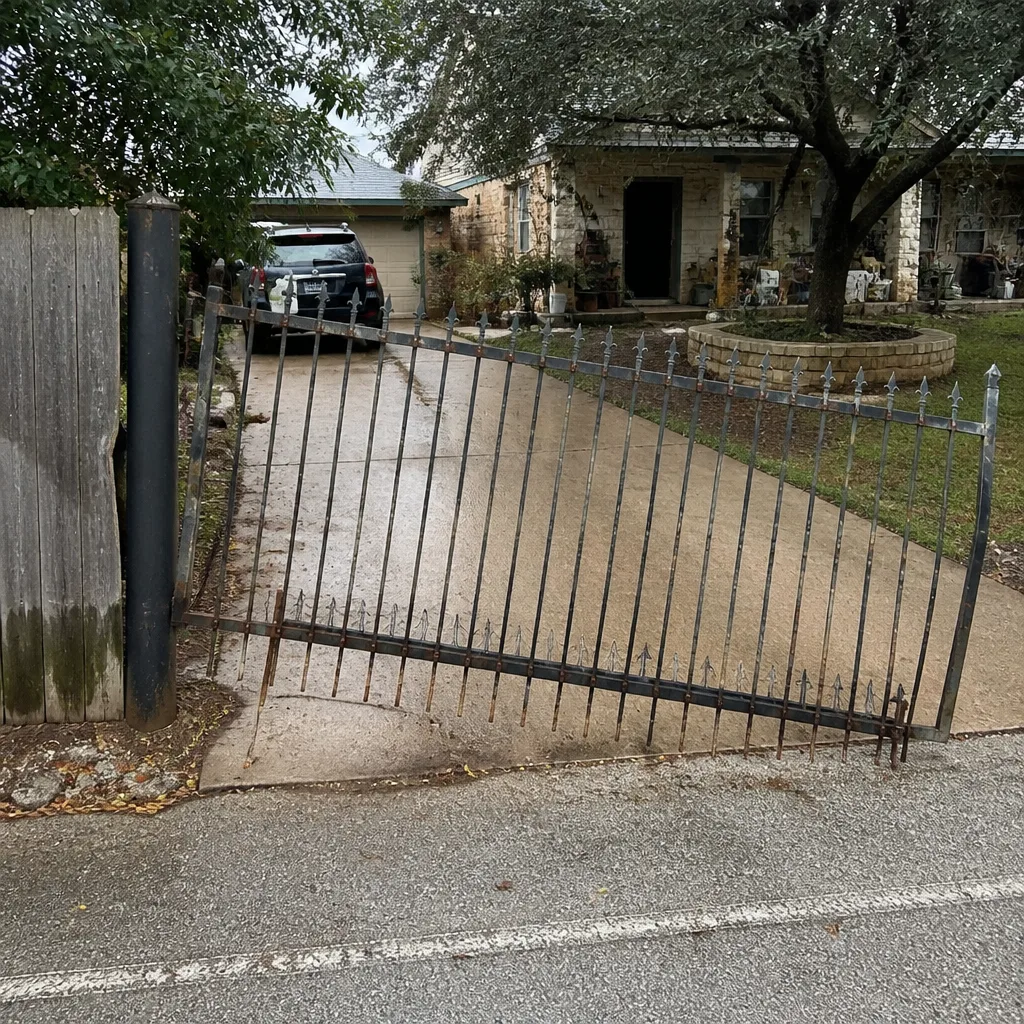
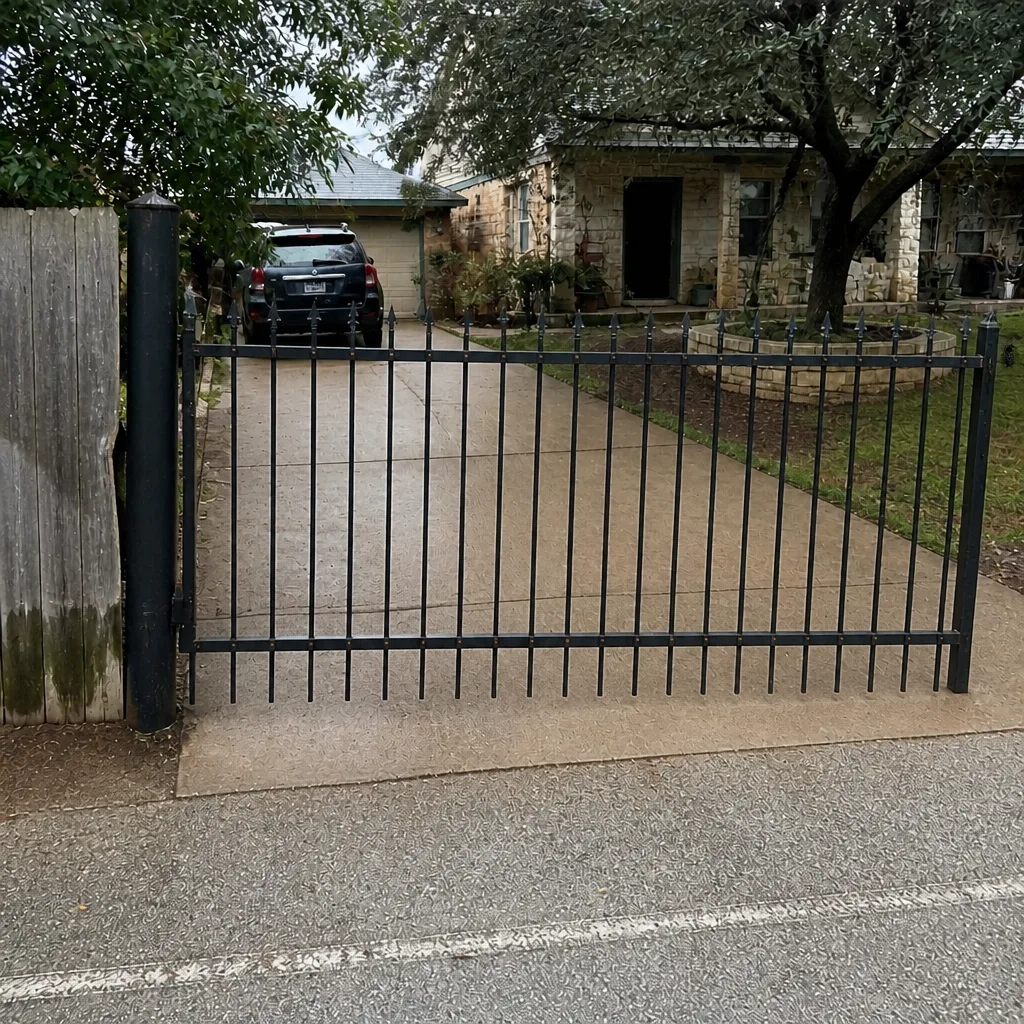
See the difference
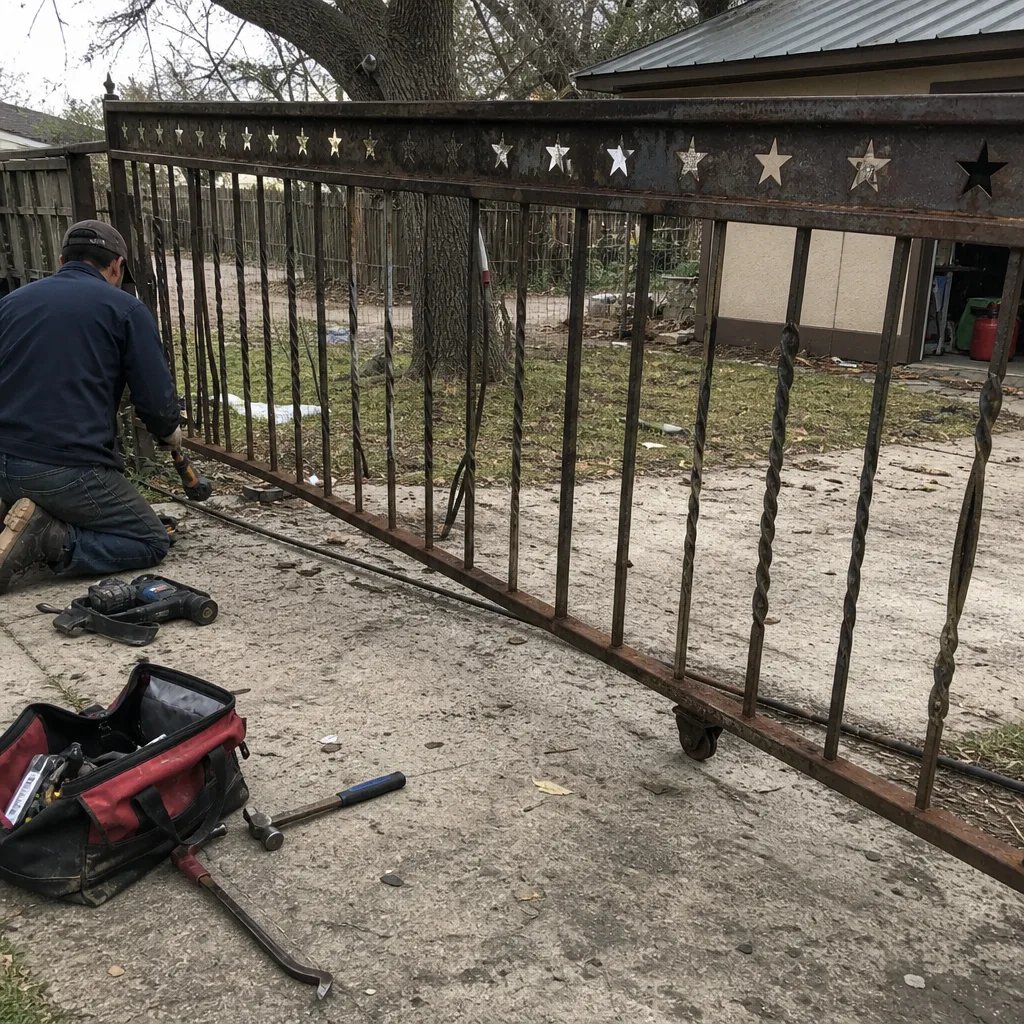 Before
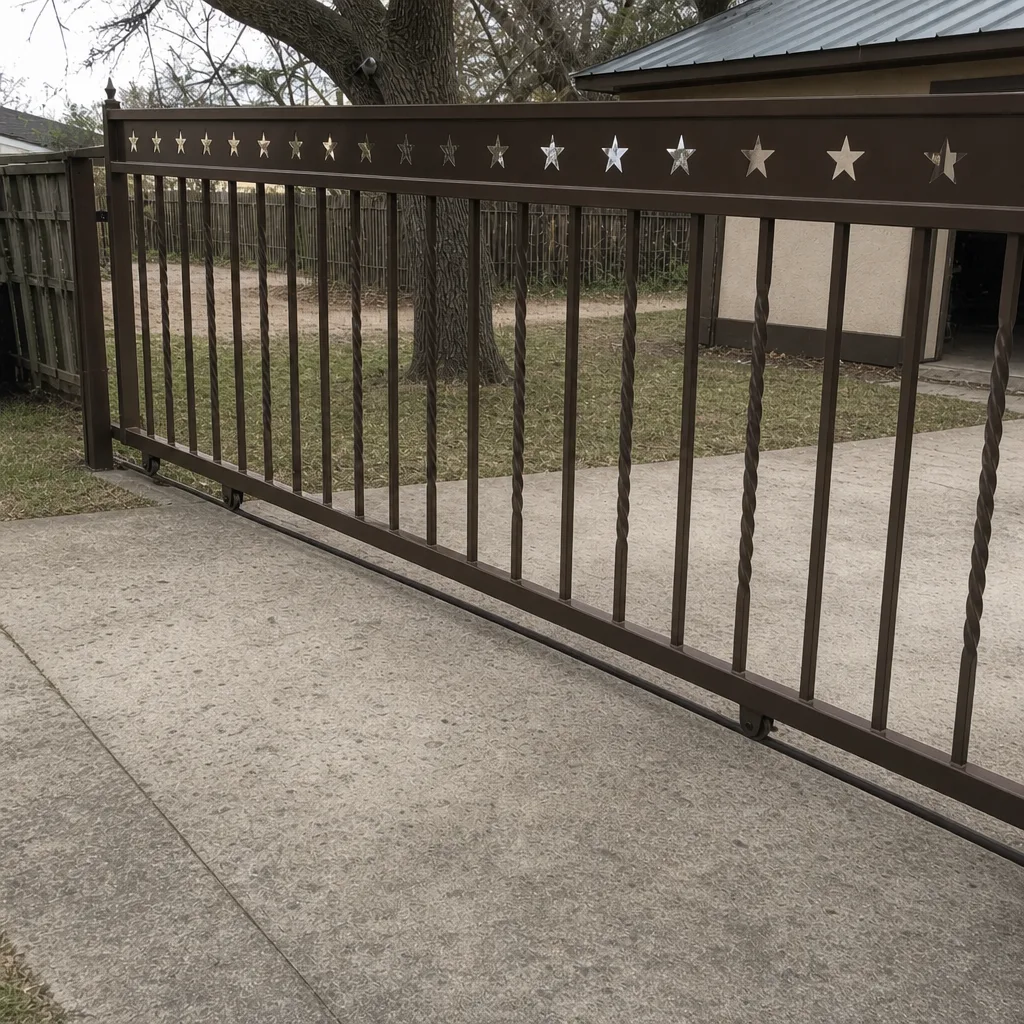 After
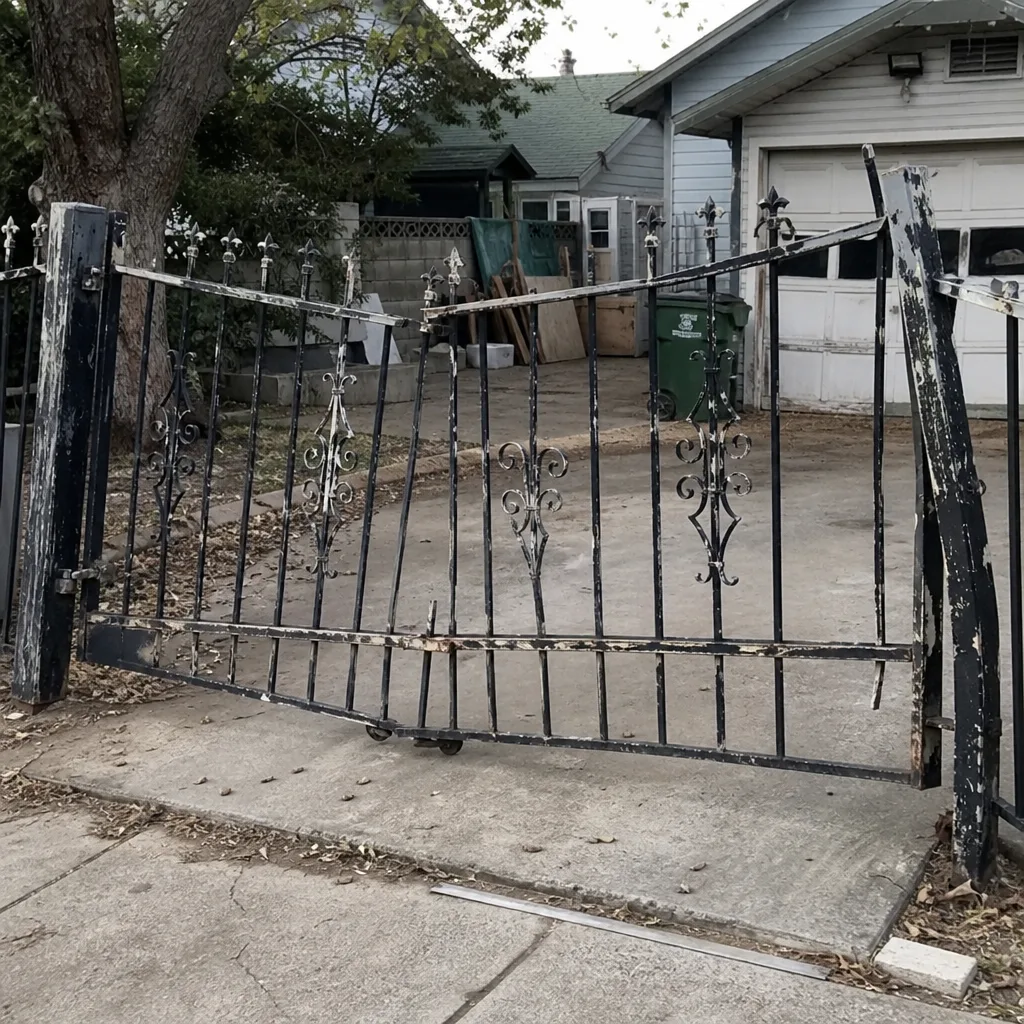 Before
 After
 Before
 After
The Bottom Line
Most gate repairs in New Braunfels don’t need a permit. The exceptions – new operator installation, structural post replacement, and first-time electrification of a manual gate – are specific enough that assuming you’re in the clear is a genuine risk, and the cost of getting it wrong shows up at resale or during refinancing. HOA rules can stack on top of city code, so check both before any work begins. Permitted work adds inspection steps and a couple of weeks of timeline, but it leaves a paper trail that protects you. Keep the records, describe the project honestly when you call the city, and hire a gate specialist for the electrical and safety-device side. Whether it’s a LiftMaster swing operator or a BFT slide gate, we work on the brand you already have.
Contact Us
If you have a gate in New Braunfels and aren’t sure whether the work you need falls into repair or permit territory, call us for a free estimate. We handle Gate Repair New Braunfels and electric gate repair across the area, including electric gate repair for operators, control boards, and safety devices. Our technicians have up to 14 years of experience, and we work on the brand you already have. Call (855) 939-0250. We answer 24/7, with fast dispatch from 7am to 7pm, Sunday through Friday.
Written by the team at Gate Repair New Braunfels.