
Last updated November 15, 2026
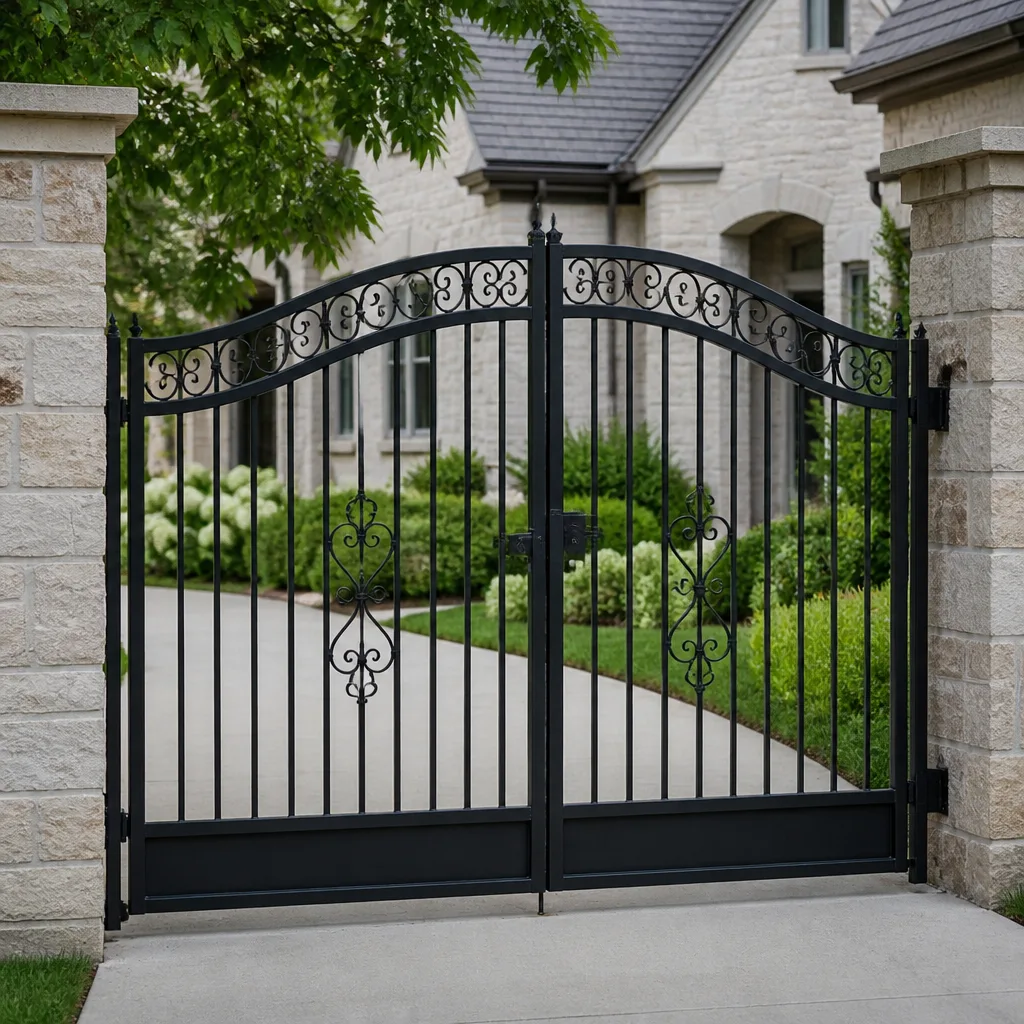 Wrought iron
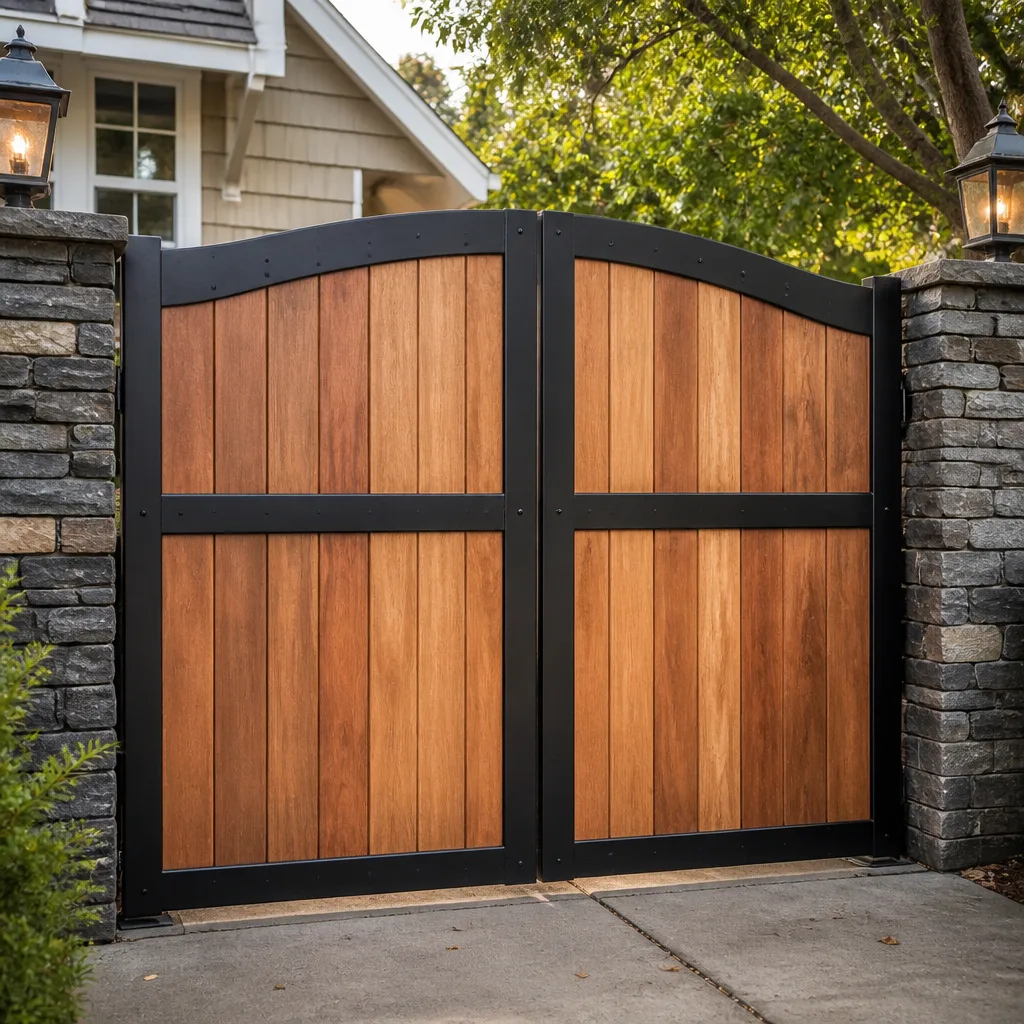 Wood & steel frame
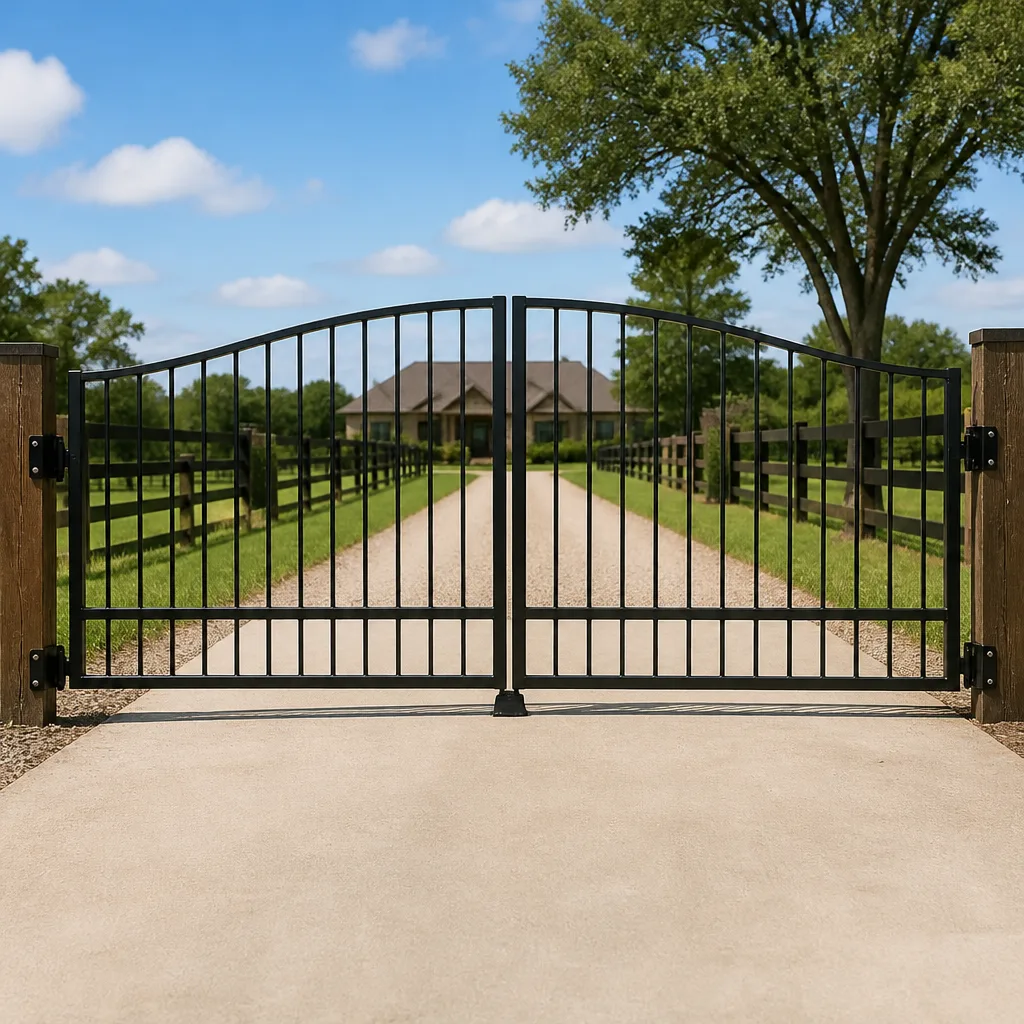 Farm & ranch
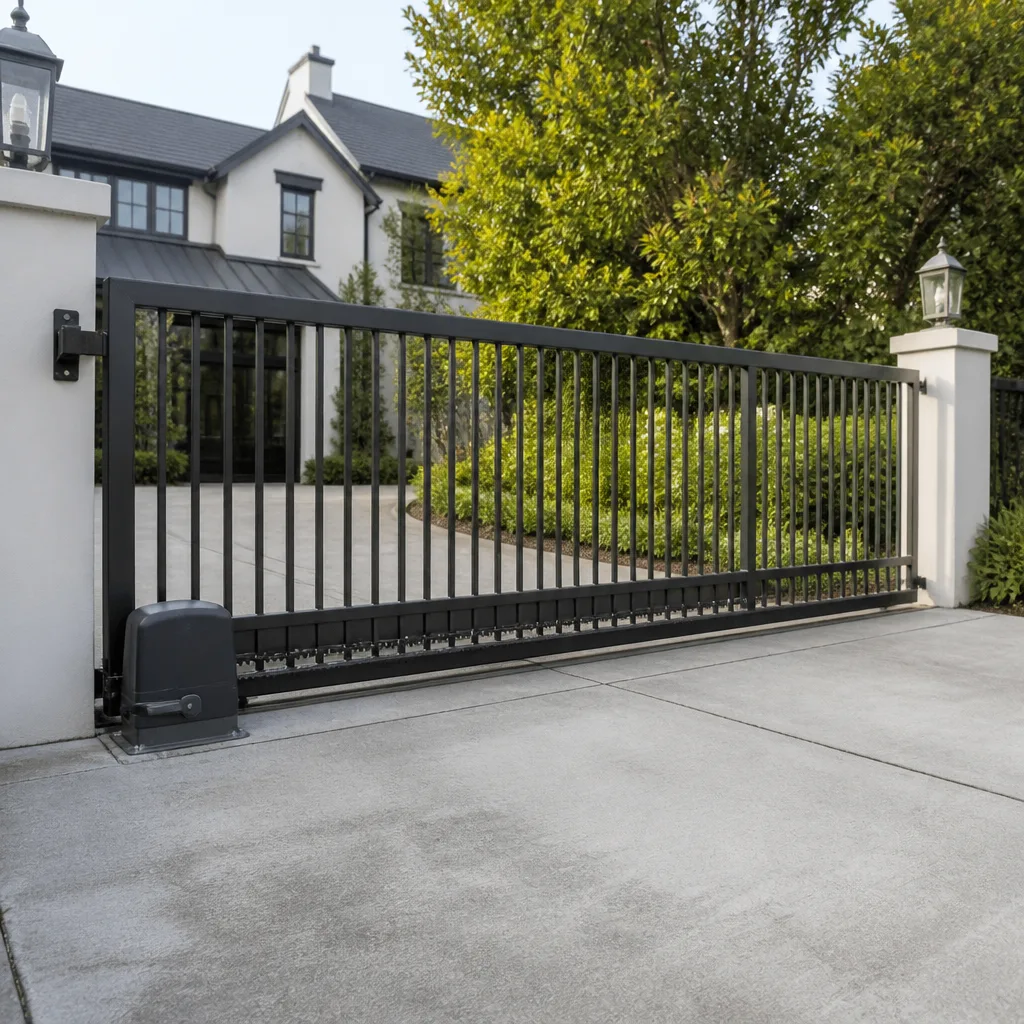 Sliding driveway gates
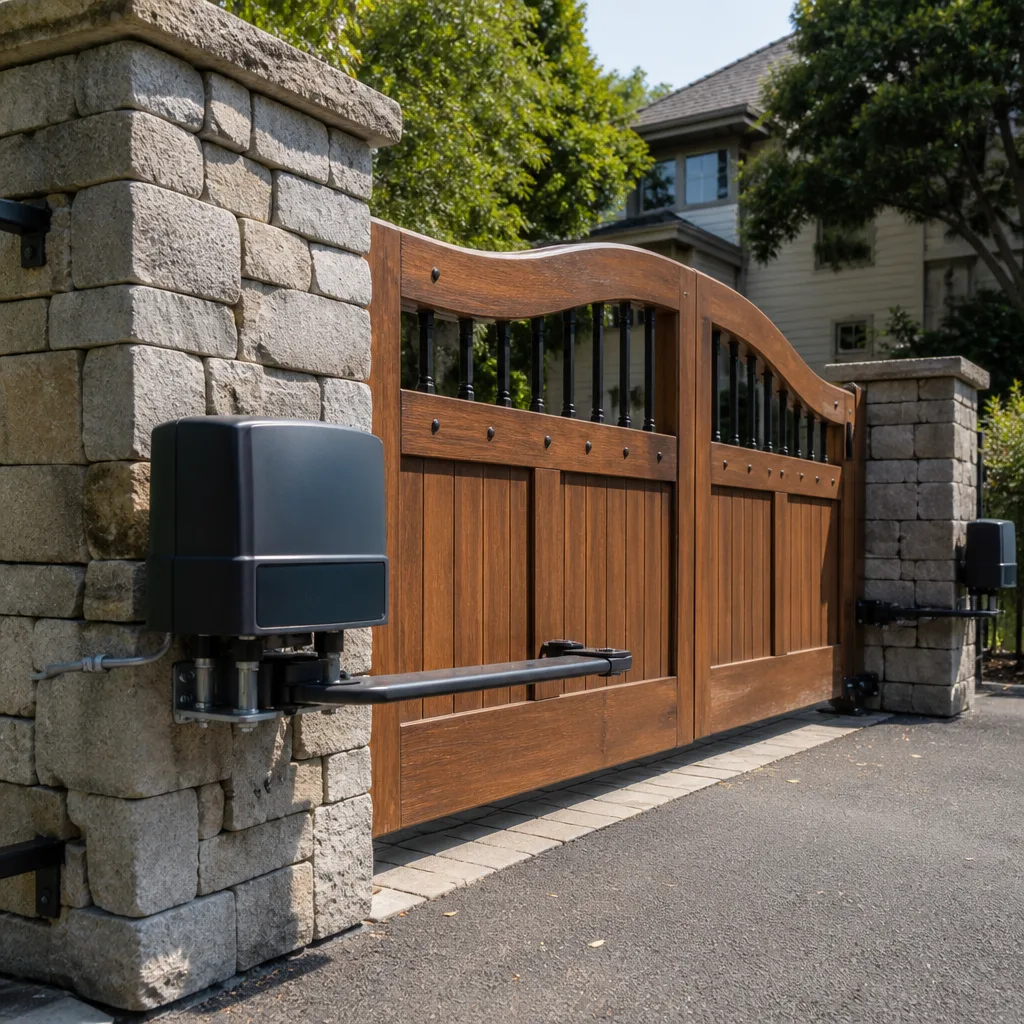 LiftMaster operators
Free on-site gate assessment - hinges, posts, and your LiftMaster or Nice gate operator checked before anything is quoted
The assessment is free and the quote is the invoice.
Get your free estimateHow to Hire a Gate Repair Contractor in New Braunfels: A Step-by-Step Guide
The contractor who quoted you $150 less has probably never replaced a control board on your brand of operator. That’s the uncomfortable truth about hiring gate repair in New Braunfels: the lowest bid and the fastest callback often come from generalists who treat a gate call as fill-in work between fence jobs and garage door swaps. A gate is a power-operated machine with a control board, a motor, safety sensors, and a track or hinge geometry that has to be right. When a contractor learns your system on your dime, you pay twice. This guide gives you the phone questions, the paperwork, and the brand checks that filter out the guessers before anyone touches your gate.
Quick Answer
To hire a gate repair contractor in New Braunfels, verify three things before you book: that the contractor works on your specific operator brand, that they’ll give you a written scope of repair (not just a price), and that their labor and parts warranty terms are in writing. Ask brand-specific diagnostic questions over the phone first. If the answers are vague or the contractor treats your gate like a fence repair, keep calling. A gate specialist will name your system’s failure points without seeing it.
Styles & brands we work with
- Wrought iron
- Wood & steel frame
- Farm & ranch
- Sliding driveway gates
- LiftMaster operators
Table of Contents
- Gate Specialist vs. a Fence Company That “Also Does Gates”
- Five Phone Questions That Reveal Whether They Know Gates
- How to Verify Brand Familiarity Before You Schedule
- Why a Written Scope of Repair Matters More Than the Price
- What Warranty Terms to Require for Labor vs. Parts
- How to Tell Honest Repair Advice From a Replacement Pitch
- What New Braunfels Conditions Do to a Gate
- The 20-Minute Hiring Checklist
Gate Specialist vs. a Fence Company That “Also Does Gates”
A fence company builds and repairs fences. A gate technician diagnoses and repairs a powered access system. Those are different skill sets, and the overlap is smaller than most homeowners assume. Fence work is carpentry, masonry, and metal fabrication. Gate work adds a motor, a control board, a limit switch or encoder, safety edges, photo-eye sensors, and often a low-voltage loop or keypad. When a fence company takes a gate call, the mechanical part may go fine. The electrical and control side is where the job stalls.
We’ve seen this pattern enough times to recognize it on the phone. A crew replaces a hinge, the gate swings freely, and the call ends. Two days later the operator faults out again because the real problem was a failing limit switch or a misaligned safety sensor, not a hinge. The money went to the wrong part. Now you’re paying a second technician to find the actual fault, and you’ve spent more than the specialist would have charged the first time.
What separates a gate specialist from a generalist:
- Diagnostic range: a specialist works both the mechanical side (hinges, rollers, tracks, alignment) and the control/electrical side (boards, motors, sensors, wiring).
- Brand fluency: they don’t flinch when you name your operator. Whether it’s a LiftMaster swing operator, a FAAC barrier arm, or a Linear slide gate, the specialist has worked on the platform before.
- Single-trade focus: gates only. Not a generalist contractor who treats gate calls as secondary work between other jobs.
- Repair-first instinct: they’ll tell you when a system still has life left instead of steering you toward a full replacement.
This matters most in a market where your gate is doing real security or access-control work. If you’re managing an HOA entrance or a small commercial lot in New Braunfels, downtime is a liability. That’s why Gate Repair New Braunfels keeps the focus on gates alone: every job stays inside the technician’s core competency. Our technicians have up to 14 years of experience across both the mechanical and control sides of automated systems, and that narrow focus is the whole point.
Five Phone Questions That Reveal Whether They Know Gates
You can screen a gate contractor in about ten minutes on the phone, before anyone schedules a visit. The right questions aren’t about credentials or pricing. They’re about how your specific system fails. A technician who knows gate hardware will answer without hedging. A generalist will deflect, get vague, or promise to “take a look first.” Both are telling you something.
Ask these five questions in this order:
- “The gate opens partway and stops. What would you check first?” A gate technician will mention the limit switch or encoder, then possibly the safety sensor. A generalist will say “probably the motor” or “hard to tell without seeing it.”
- “The operator runs but the gate doesn’t move. Where do you look?” The answer should involve the operator’s clutch, gearing, or drive mechanism, or a chain/belt failure on a slide gate. If they say “the board” first, that’s likely a parts-changer, not a diagnostician.
- “The gate reverses in the middle of closing. What causes that?” Safety sensors (photo-eyes), safety edges, or a limit-switch misalignment. Vague answer = they haven’t worked the safety side.
- “What brand of operator do you see most often?” Any honest answer works, but the follow-up is the test: ask them to name two specific models or product lines from that brand. A specialist can.
- “If my board is fried and neither of us can identify the model, how do you handle that?” Good answers: they’ll identify the operator body from photos or a visit, cross-reference the board version, check availability, and tell you honestly whether repair or replacement makes sense.
We ask these questions of ourselves when we onboard technicians, and the pattern holds. If you get clear, brand-specific, component-level answers on the first three, you’re talking to someone who has actually worked on automated gates. If you get generalities across all five, move on. Call (855) 939-0250 if you want to test this on us. We answer 24/7.
How to Verify Brand Familiarity Before You Schedule
Every powered gate has a brand name on the operator housing, the control board, or the manual. Find it before you call. Then, when you talk to a contractor, name the brand and ask a specific question about it. The response tells you instantly whether they’ve serviced that platform or whether they’re about to learn it on your system.
Brand coverage runs in tiers, and it helps to know which tier you’re dealing with:
- Residential DIY-tier operators: Mighty Mule, Ghost Controls, Linear. Compact swing and slide operators, typically installed by homeowners or small installers. Diagnostic patterns are different; boards and motors fail in different ways than commercial units.
- Mid-to-prosumer operators: Viking, Elite. Found on residential estates, small commercial gates, and HOA entrances across New Braunfels.
- Commercial and heavy-duty operators: FAAC, BFT, DoorKing. Barrier arms, high-cycle slide gates, and access-control-connected operators used at commercial lots and managed properties. These systems demand more from the technician, because a misdiagnosed fault at a commercial gate can lock out a whole tenant base.
A brand-agnostic specialist doesn’t push you toward one brand or push you off a repair because the system “isn’t one we carry.” They work on the brand you already have. That’s the test: ask them to name the platforms they work on, and whether they can service yours specifically. If they can’t say with confidence how they’d approach your FAAC or BFT operator, they probably can’t.
If your system is an entry-level residential unit and the issue looks simple, a generalist might be fine for a hinge or a bracket. For anything touching the operator, control board, or sensors, book a gate specialist. Our full gate repair work runs from mechanical adjustments through board-level electrical repair. When you call us, we’ll tell you straight whether a job is in our wheelhouse or not.
Why a Written Scope of Repair Matters More Than the Price
Most home repair conversations are about price. Gate repair conversations should be about scope. A written scope of repair tells you what’s being fixed, what’s being checked, and what’s being left alone. It’s a diagnostic contract, not a parts list. Without one, you’re agreeing to a number with no map of what produces that number, and that’s how you end up paying for work that patches a symptom while the real fault waits to fail again.
Here’s what a proper written scope should include:
- The reported symptom in your own words plus what the technician observed on site.
- The diagnosed cause – a specific component, not a category. “Safety sensor misalignment causing reverse-on-close,” not “sensor issue.”
- The repair action – what part or adjustment, and whether the part is being replaced or repaired.
- Parts and brand/model – the part number or model if it’s known. This protects you from a generic “board” line item.
- Additional checks included – was the safety reverse tested? Were the limit switches reset?
- The test procedure – how the technician will confirm the fix before they leave.
- Any items observed but not repaired – so you know what’s coming.
Why does this matter more for gates than for most home repairs? Because a gate failure usually has two layers. There’s the visible symptom (gate won’t close, gate won’t open) and the underlying fault (sensor, board, limit switch, clutch). Without a written scope, you can’t tell which layer you’re paying to fix. A vague estimate covers the symptom. A written scope covers the fault.
Ask for the scope on paper or by text before any work starts. If the contractor can’t provide one, or the “scope” is a single line item (“repair gate – $X”), that’s a red flag. When you call us at (855) 939-0250, we give you a free written estimate before any work begins. The price is set by that written estimate, and you agree to it before we start.
What Warranty Terms to Require for Labor vs. Parts
Gate repair warranties come in two parts, and they should be stacked, not blended. Parts have a manufacturer warranty. Labor has a technician warranty. If the paperwork only mentions “warranty” with no split, you don’t know who’s covering what, or for how long. Ask for the labor terms and the parts terms separately, in writing.
What to require:
- Labor warranty in writing: a stated duration and what it covers. A short window (defects on the repair itself) is standard. What matters is that it’s stated, not implied.
- Parts warranty terms: whether the part carries a manufacturer warranty, whether the shop handles the claim for you, and whether the part is new, refurbished, or pulled from a donor system. Refurbished parts are sometimes fine – but only if disclosed up front.
- Exclusions in writing: what isn’t covered. Acts of nature, customer misuse, and follow-on failures from a separate fault should all be named.
- The exact repair performed: warranty protection on a specific part is worthless if the paperwork just says “gate service.”
Red flags in contractor responses:
- “Warranty is handled case by case.” No written policy means no policy.
- Warranty terms that only appear after you ask twice.
- Verbal promises (“if it fails, call us and we’ll take a look”) with nothing on paper.
- Labor carved out entirely (“the part is under warranty, but the labor isn’t”) with no stated duration on the part either.
- Warranty language that shifts based on which part fails – which often means the contractor isn’t confident the repair will hold.
The point of pushing on warranty isn’t to get the best terms in the market. It’s to see whether the contractor has terms at all. A specialist who trusts their diagnostic and repair work will put a labor warranty in writing, because they expect it to be tested and to hold. There’s more detail on how automated systems are diagnosed and repaired on our electric gate repair page.
How to Tell Honest Repair Advice From a Replacement Pitch
The most expensive mistake in gate repair isn’t picking the wrong contractor. It’s accepting a replacement quote when a repair would have worked. Operators are expensive, and a contractor who doesn’t know your brand well has an incentive to replace rather than learn. The honest conversation is diagnostic: what’s actually wrong, what’s the cost to repair, what’s the cost to replace, and what’s the expected lifespan either way.
Questions that expose a replacement pitch:
- “Can you repair my current operator without replacing the whole system?” If the answer is “probably, but you’d be better off replacing it,” ask for the specific failure mode that makes repair unsafe or uneconomical.
- “What’s the age of my operator, and is it still supported by the manufacturer?” End-of-life status matters. So does the technician’s ability to source parts for the platform.
- “What’s the cost of the repair versus the replacement, itemized?” If they can’t break down both, the replacement recommendation probably isn’t sound.
- “If we repair, how long should I expect before the same issue returns?” A specialist can answer this. A salesperson will hedge.
- “Will you service the replacement under the same brand tier, or will I be buying into a new service network?” This matters if you’re currently on a low-volume brand – the new operator’s support landscape should be part of the equation.
We approach repair versus replacement as a genuine recommendation, not a sales funnel. A brand-agnostic technician has no incentive to push you toward one platform or another. Our range runs both ways: we’ll repair an existing FAAC or Viking operator if the platform still has life in it, and we’ll install a new gate if the repair math doesn’t work. The gate repair work and the gate installation work both live under one roof, so you don’t get handed off to a second contractor mid-decision. (If you’re pricing options, our guides include cost ranges for both repair and installation, so the comparison is honest.)
One safety note: never open the operator housing or handle the electrical side yourself. The control board carries mains voltage, and the safety-reverse function is what keeps a gate from closing on a person, a car, or a pet. When the safety circuit is involved, that’s a trained technician job.
What New Braunfels Conditions Do to a Gate
Gate hardware in New Braunfels lives through a specific climate pattern, and most of the failure modes we see are variations on the same theme: heat, dust, and humidity. Winters here are mild, so there’s no freeze-thaw cycle to plan for. The gate doesn’t fail because of ice. It fails because of the long warm season.
How that plays out on the hardware:
- Control boards and motors run hotter. An operator closed up in a metal housing under summer sun cycles through heat stress. Board components and electrolytic capacitors age faster than they would in a cooler climate. Intermittent faults (“it faults out in the afternoon but works in the morning”) are often heat-related.
- Direct sunlight degrades seals and lenses. Safety photo-eyes and rubber weather seals age in the sun. A slightly clouded photo-eye lens causes more false reverse events than most homeowners expect.
- Dust and pollen coat sensors. Pollen season in central Texas leaves a fine film on photo-eye lenses and safety-edge contacts. A surprisingly high share of “the gate won’t close” calls turn out to be a dirty sensor, not a failed board.
- Humidity works on connections. Low-voltage connections at safety edges, keypads, exit loops, and the operator’s terminal block are all exposed to seasonal humidity swings. Loose or corroded terminals produce intermittent faults that read like board failures.
- Hills and lot grading affect alignment. Sloped driveways and uneven approach paths in the New Braunfels area push swing gates and slide gates out of alignment over time. Rollers, tracks, and hinge geometry need periodic adjustment, or the gate rides against the operator and the motor works harder than it should.
The practical takeaway: schedule a diagnostic when something feels off, especially during the hottest stretch of the year, and ask the technician to test the safety reverse and sensor alignment even if the call was about something else. Those are the conditions that put a gate out of service when you’re not watching. When the gate fails in the middle of the day, call us. Fast dispatch from 7am to 7pm, Sunday through Friday, and we answer 24/7.
The 20-Minute Hiring Checklist
You can run this process in about twenty minutes on the phone and a few texts. It’s the same checklist we suggest for any New Braunfels homeowner, HOA manager, or small commercial property owner who needs a gate repaired and wants to be sure their money goes to the actual fault.
- Find the operator brand and model. Look on the housing, the control board cover, or the manual. Write it down. If you can’t find it, photograph the operator housing and the board.
- Run the five phone questions. Clear component-level answers = gate technician. Vague answers = generalist.
- Confirm brand familiarity for your specific operator. Ask them to name the platforms they work on and describe how they’d approach yours.
- Ask how they handle the electrical and control side. A specialist works both the mechanical and the electrical side. A generalist usually stops at the mechanical.
- Request a written scope of repair before any work begins. Symptom, cause, action, parts, testing.
- Get the price on paper as a free written estimate. The estimate is the price; nothing changes after the fact.
- Confirm the labor warranty and the parts warranty separately, in writing. If they can’t state terms, keep calling.
- Ask how they’ll test the repair before they leave, including the safety reverse. A technician who doesn’t mention testing is a technician who doesn’t verify.
We make the process easy on our side: free estimates, written upfront, agreed before any work starts. Our technicians have up to 14 years of experience and work on the nine brands we service, from entry-level units up through commercial-grade operators. If you’re not sure which brand you have, send us a photo and we’ll tell you. There’s no fee and no obligation to book.
Common Mistakes to Avoid
- Choosing the lowest quote without reading the scope. A cheaper number with no scope protects no one. Two sentences for the estimate often means two problems left unfixed.
- Hiring a fence company because “it’s basically the same thing.” Fences and gates share materials, not diagnostics. The gate side of the job involves boards, motors, sensors, and safety circuits a fence crew may not touch.
- Accepting a replacement recommendation without a second opinion. Replacements are expensive and the recommendation should be justified by specific diagnostic findings. Get the failure mode in writing before you approve.
- Skipping the safety test. A repair that “works” but hasn’t tested the safety reverse hasn’t been completed. The reverse test is the one that protects people.
- Assuming an intermittent fault is minor. “It works most of the time” often means a sensor or connection is on its way out. Ignoring it tends to produce a more expensive failure later.
- Not confirming brand familiarity before booking. If they don’t recognize the name FAAC or BFT or Linear, they’re learning your operator on your dime.
- Accepting a verbal warranty. Labor and parts terms written down are worth a lot more than a friendly promise.
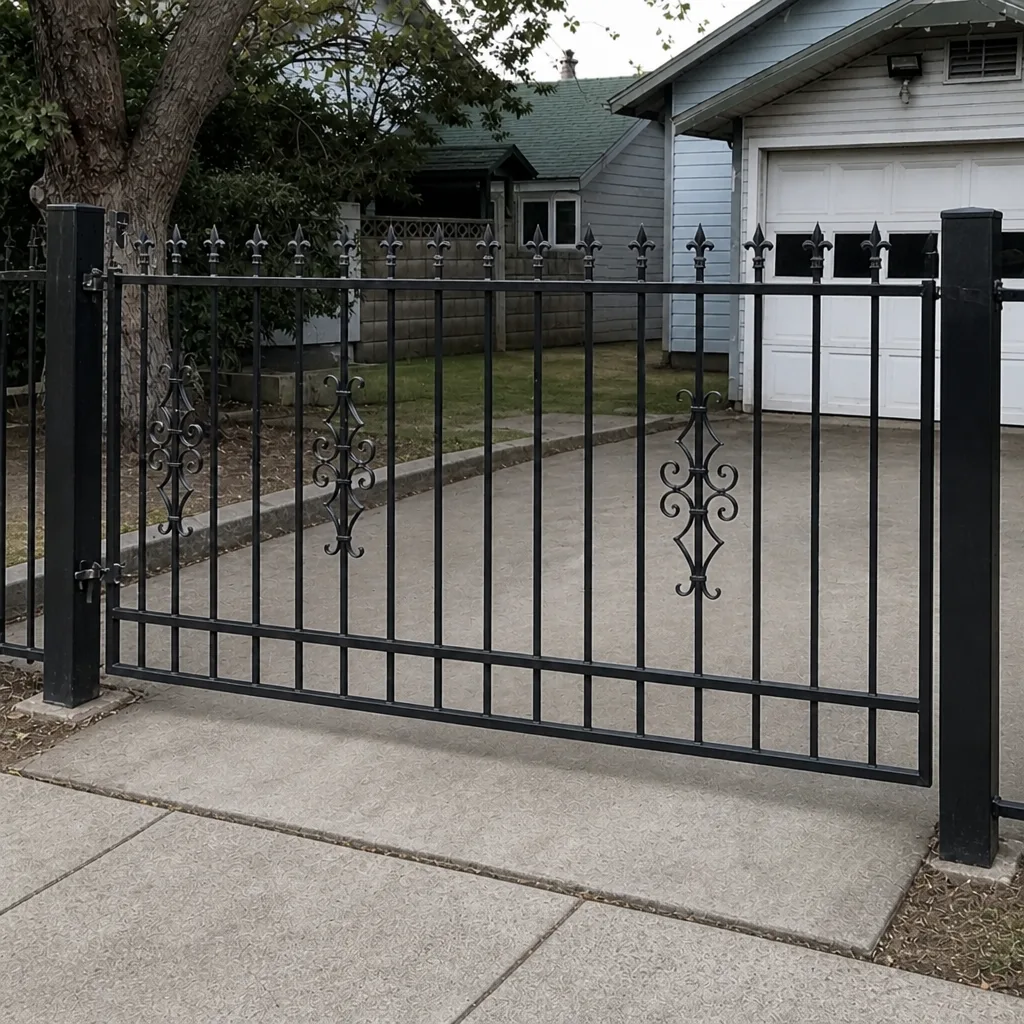
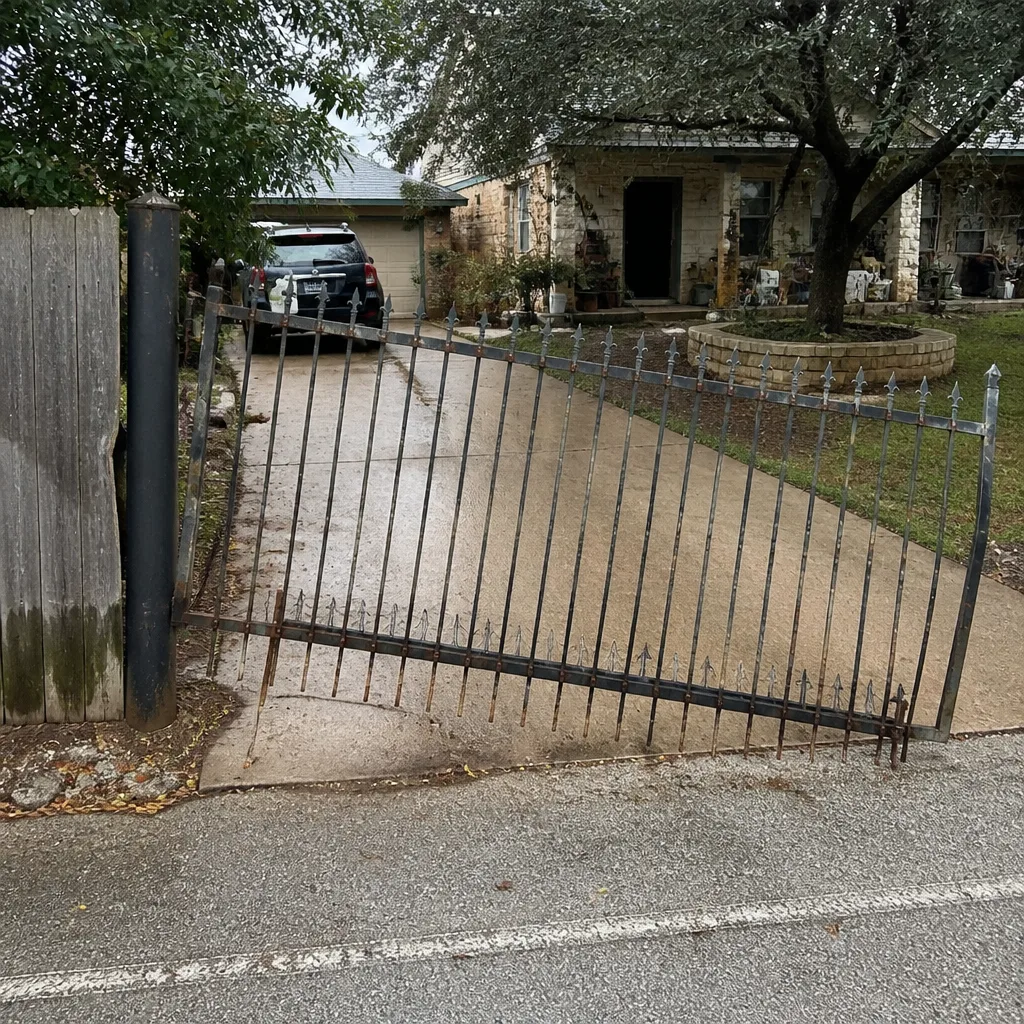
See the difference
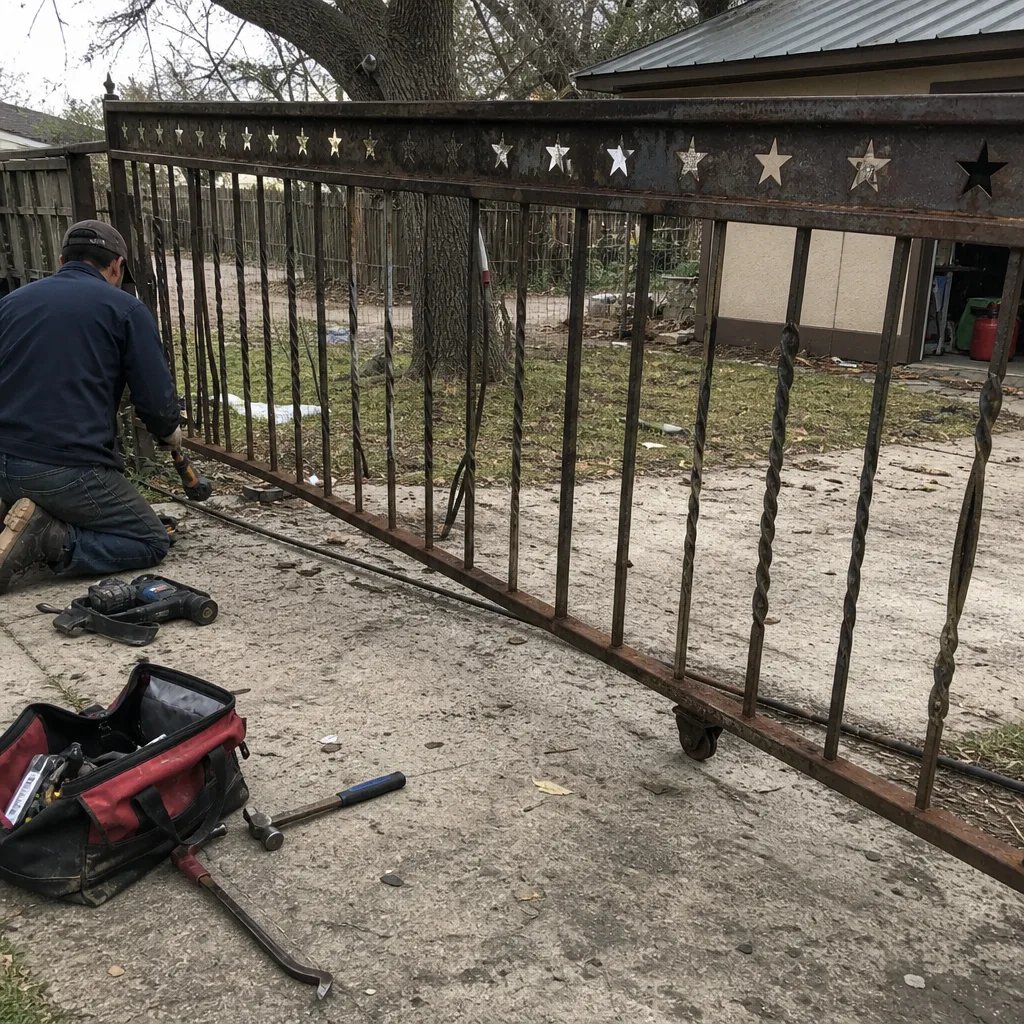 Before
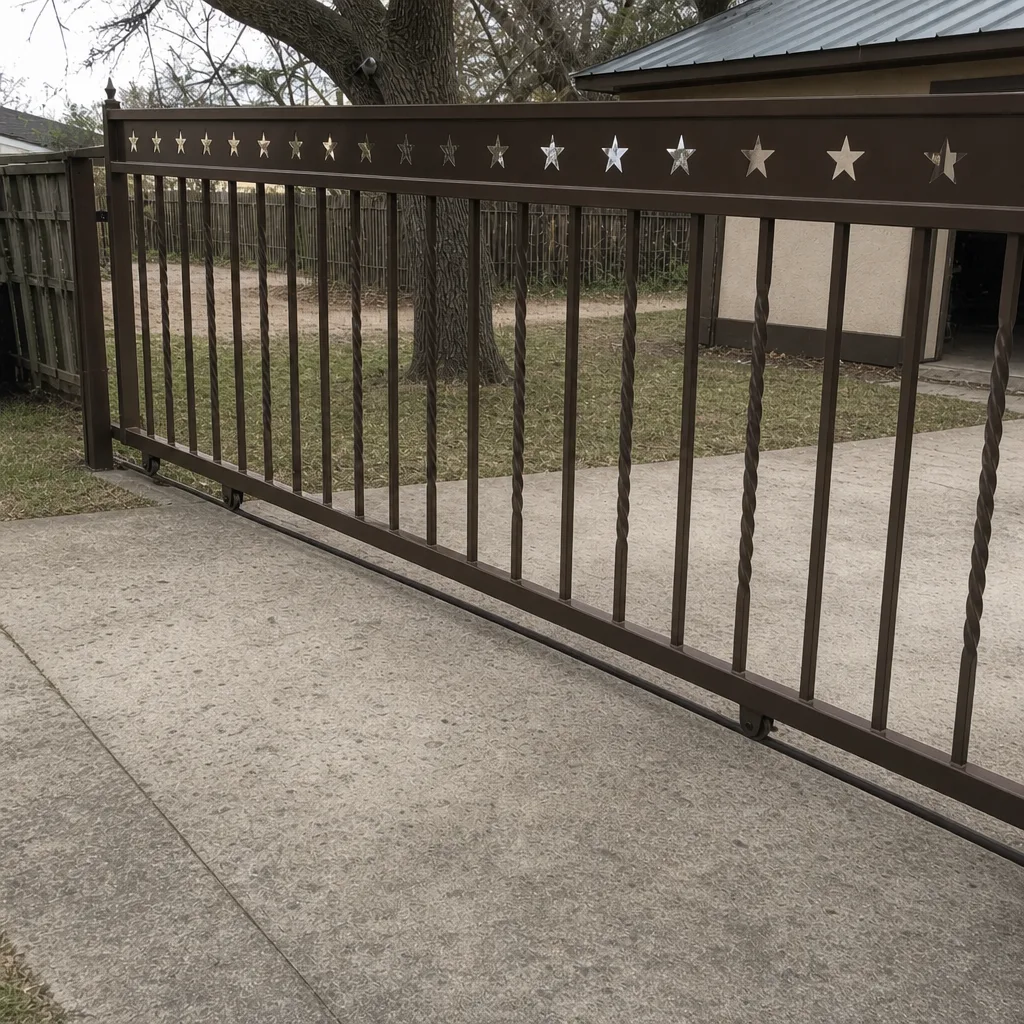 After
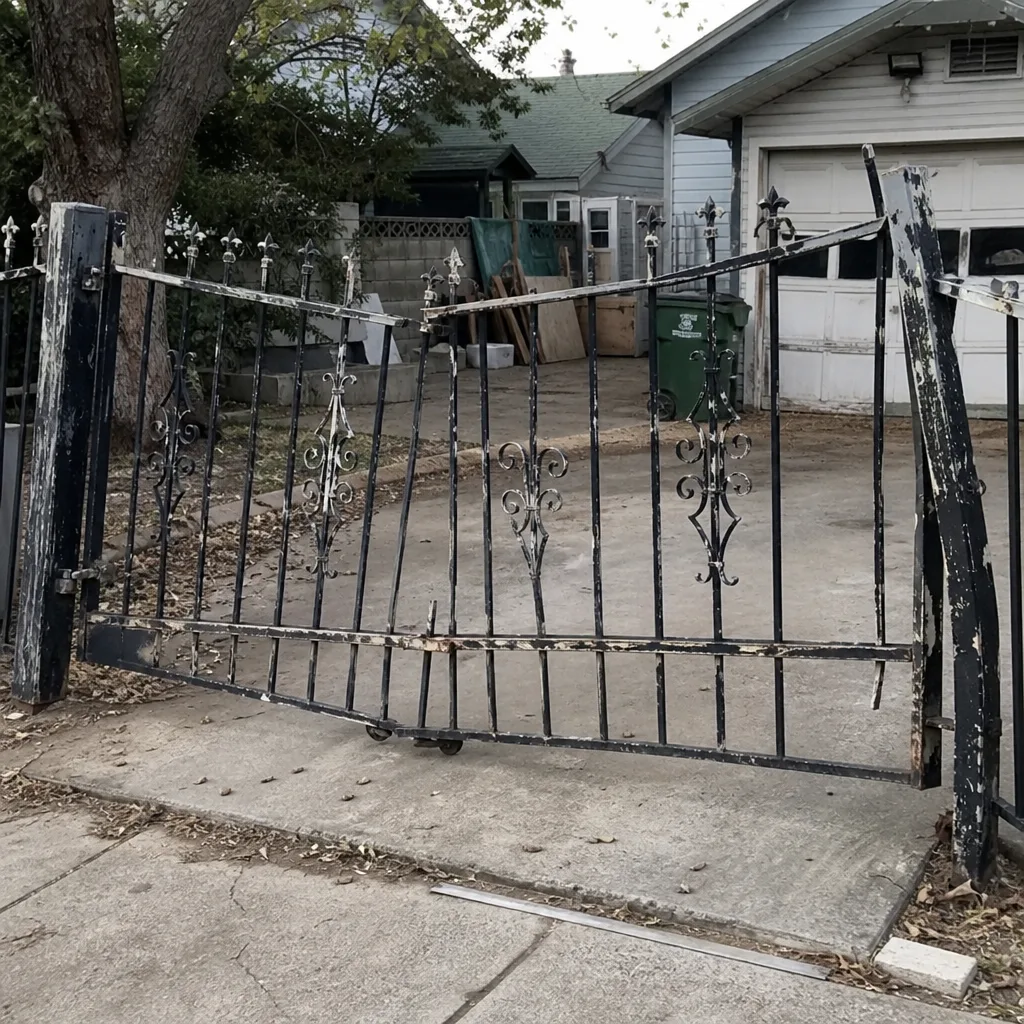 Before
 After
 Before
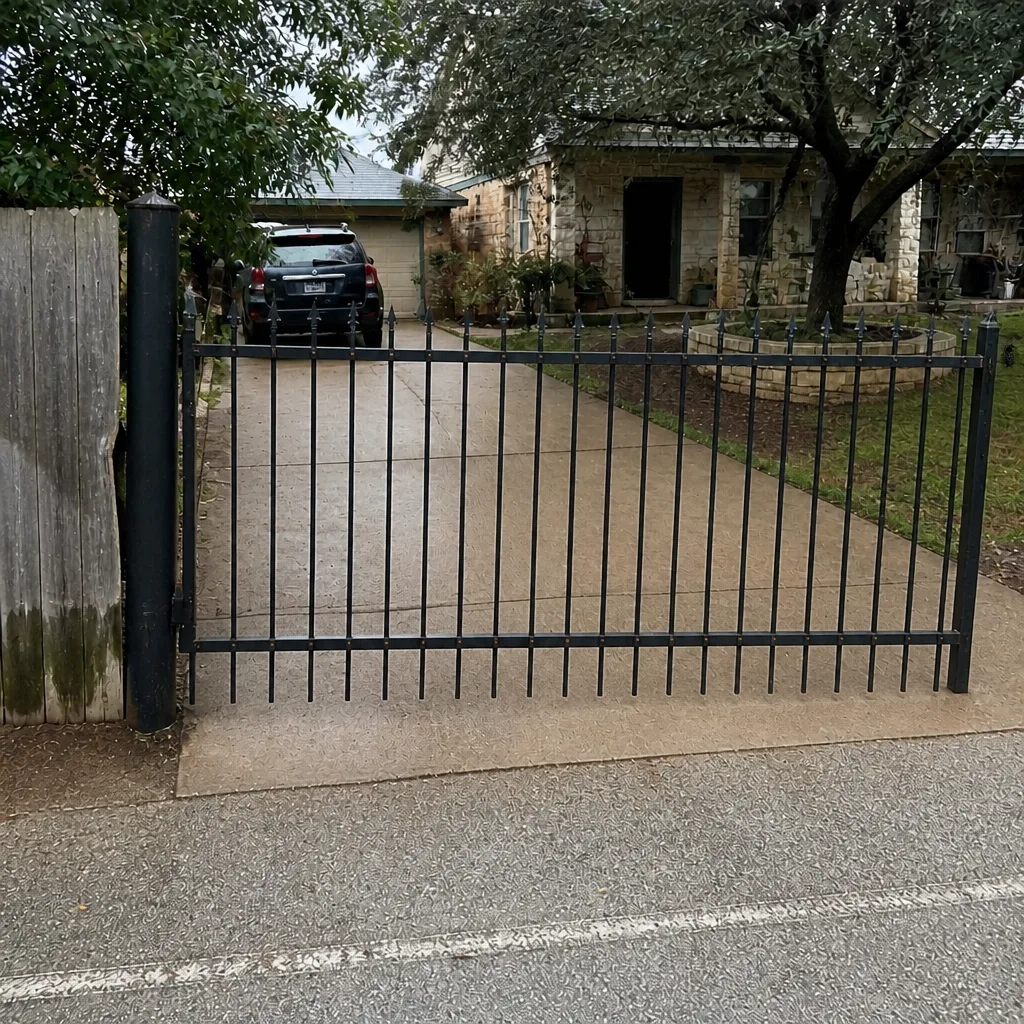 After
When to Call a Professional
Call a gate professional any time the operator, the control board, or a safety component is involved. That includes gates that reverse on their own, gates that stop partway, gates whose operator runs without moving the gate, and gates that won’t respond to a remote or keypad. It also includes any situation where the safety reverse behaves oddly, a safety edge has been damaged, or the gate seems to close with more force than it should. There are also the less obvious triggers: pending storm damage, posts that have shifted, a slide gate that’s come off its track, or an HOA entrance that’s failing during peak hours. Gate Repair New Braunfels offers free estimates in New Braunfels. Call (855) 939-0250. We answer 24/7, and fast dispatch runs from 7am to 7pm. A call outside dispatch hours is booked into the next opening, Sunday through Friday.
Frequently Asked Questions
Find your operator brand first, then call and ask brand-specific diagnostic questions before booking. Confirm that the contractor works on your specific brand, ask for a written scope of repair, and get labor and parts warranty terms separately in writing. If the answers are vague or the scope is a single line item, move on. Call (855) 939-0250 for a free written estimate on your gate.
Ask what they’d check first if the gate stops partway, where they look if the operator runs but the gate doesn’t move, and what causes a gate to reverse mid-close. Then ask which operator brands they work on and have them name specific platforms. Clear component-level answers mean you’re talking to a specialist. Vague answers mean you’re talking to a generalist.
Find the brand and model on the operator housing or manual, then ask the contractor directly whether they service that platform. Push one layer further: ask them to describe how they’d approach a fault on that specific operator. A technician who knows your FAAC, BFT, Linear, or Viking system will answer with specifics. If they can’t, keep calling.
A gate specialist is usually the better value on any job that touches the operator, control board, or safety sensors. Fence companies can handle fence work well, but the electrical and control side of an automated gate is a different discipline. The cheaper quote often covers only the mechanical side and leaves the actual fault for a second contractor.
Ask for the labor warranty and the parts warranty separately, both in writing. The labor warranty should name a duration and what it covers. The parts warranty should say whether the part is new or refurbished and who handles the manufacturer claim. If the contractor can’t state terms in writing, that’s a red flag regardless of the price.
Yes, same-day repair is often possible when you call early and the fault is in a serviced brand. Call us to check. We answer 24/7 and dispatch runs from 7am to 7pm, Sunday through Friday. The price is set by a written estimate agreed before any work starts.
The Bottom Line
Hiring a gate repair contractor in New Braunfels is a vetting problem, not a pricing problem. The right sequence is: find your brand, ask five diagnostic questions over the phone, confirm brand familiarity, get a written scope of repair, and require written labor and parts warranties. Run that process before you compare prices, and the cheapest quote usually stops looking like the best one. The 20 minutes you spend screening a contractor is what protects you from paying twice for the same fault. When you’re ready for a free estimate, call (855) 939-0250.
If you’re comparing local options, the best next step is the phone call. Call Gate Repair New Braunfels at (855) 939-0250 for a free estimate. We answer 24/7, fast dispatch runs from 7am to 7pm, Sunday through Friday, and every price is set by a written estimate you agree to before any work begins. For homeowners and property managers comparing access options beyond a repair, our broader New Braunfels coverage page lays out what we service.
Written by the team at Gate Repair New Braunfels.